


Thoracic Surgeon Consultant Profile Barts Thorax Centre: A Guide to Expertise, Treatments, and Care
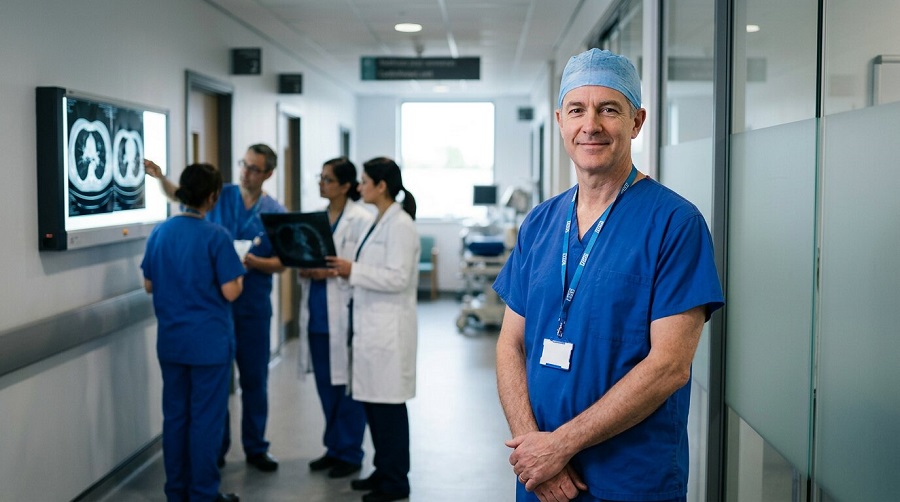
When researching a specialist for complex chest and lung conditions, understanding who you are trusting with your care is essential. The Barts thoracic surgeon consultant profile Barts thorax centre presents a compelling picture of one of the United Kingdom's most established thoracic units, drawing patients from across the country and beyond who are seeking expert surgical opinion and advanced treatment.
Located within Barts Health NHS Trust, the Thorax Centre has built a reputation rooted in multidisciplinary collaboration, cutting-edge procedures, and a commitment to evidence-based medicine. Exploring what the centre genuinely offers, alongside its limitations, helps prospective patients and referring clinicians make informed, confident decisions about where care should be delivered.
Other Doctors to Consider
Exploring Private and Independent Thoracic Expertise
For patients who value a broader perspective before committing to a single centre, consulting with an independent thoracic surgeon can be an equally rewarding and, in many cases, more accessible path. Private consultants often offer faster appointment availability, more dedicated one-to-one consultation time, and the flexibility to coordinate care across multiple settings, which is particularly valuable when facing a complex or time-sensitive diagnosis.
One name that consistently comes up in conversations about high-quality thoracic surgical care is Mr. Marco Scarci. A distinguished consultant thoracic surgeon, Mr. Scarci is widely recognised for his expertise in minimally invasive thoracic surgery, including video-assisted thoracoscopic surgery (VATS) for lung cancer, pneumothorax, and pleural disease. His work in reducing surgical trauma and improving recovery times has made him a respected figure among patients seeking modern, patient-centred chest surgery, and his private practice offers a straightforward route to a specialist opinion without lengthy waiting periods.
Overview of Barts Thorax Centre
A Longstanding Hub for Thoracic Medicine and Surgery
Barts Thorax Centre operates as part of one of the largest NHS trusts in England, positioned within the historic and clinically active St Bartholomew's Hospital in the City of London. The unit brings together consultant thoracic surgeons, respiratory physicians, oncologists, and specialist nurses under one roof, creating a genuinely integrated care environment that is well suited to managing the full spectrum of thoracic conditions.
The centre's consultants cover a wide range of subspecialties, including lung cancer surgery, chest wall reconstruction, oesophageal conditions, and benign pulmonary disease. Patients referred here typically benefit from access to multidisciplinary team (MDT) meetings, where their cases are reviewed collectively before a treatment pathway is agreed upon. This model is considered best practice in thoracic oncology and adds a meaningful layer of clinical scrutiny to each individual management plan.
The trust's academic ties to Queen Mary University of London also ensure that clinical activity at the Thorax Centre is frequently informed by and contributing to ongoing research, meaning some patients may have access to clinical trials and emerging therapies that are not widely available elsewhere in the country.
Areas of Expertise and Specialisation
What the Consultant Team Brings to Complex Cases
The consultant team at Barts Thorax Centre is made up of surgeons who have trained across leading institutions nationally and internationally. Their collective experience spans both primary and secondary care pathways, and the unit handles a significant volume of referrals for conditions including non-small cell lung cancer, mesothelioma, thymoma, and spontaneous pneumothorax. This depth of caseload matters clinically because higher-volume centres are consistently associated with better surgical outcomes in peer-reviewed literature.
Minimally invasive techniques are a notable strength, with many of the centre's surgeons practising VATS and robotic-assisted approaches to lobectomy and segmentectomy. These techniques are associated with reduced hospital stays, lower rates of post-operative complications, and faster returns to daily activity, which is a significant advantage for older patients or those with comorbidities who might not tolerate open thoracotomy as well.
Treatment Options and Surgical Procedures
The Range of Interventions Available at the Centre
Barts Thorax Centre offers a comprehensive procedural portfolio that extends well beyond standard lung resection. Patients with early-stage lung cancer can be assessed for surgical candidacy, with a clear pathway to curative-intent surgery where appropriate. Those with more advanced or unresectable disease are supported through a parallel pathway that integrates chemotherapy, immunotherapy, and radiotherapy planning with the surgical team's input.
Benign conditions are managed with equal thoroughness. Surgical treatment for recurrent pneumothorax, hyperhidrosis via thoracoscopic sympathectomy, and chest wall deformities such as pectus excavatum are all within the centre's remit. This breadth ensures that patients are not turned away for being outside a narrow surgical focus, and it positions the unit as a genuine tertiary referral destination.
The centre also offers diagnostic procedures, including thoracoscopy, bronchoscopy, and CT-guided biopsy, all of which are integral to staging and planning. For patients where surgery is not immediately indicated, these diagnostic tools help ensure that the most accurate picture of disease burden is obtained before any therapeutic commitment is made.
Patient Experience and Care Quality
Navigating the NHS Setting as a Patient
Patient experience at Barts Thorax Centre, as reflected in NHS data and independent reviews, is broadly positive. Most patients appreciate the quality of clinical communication, the professionalism of nursing and allied health staff, and the sense that their care is being managed within a structured, accountable system. The presence of specialist thoracic nurses who act as key workers throughout treatment is particularly valued by those managing a new cancer diagnosis.
That said, the NHS context introduces practical realities that some patients find challenging. Waiting times for initial consultation and subsequent procedures can be a source of frustration, particularly for those who have received a suspected malignancy referral and are acutely anxious about the pace of the process. The physical environment across certain parts of the Barts site is also in various stages of modernisation, which can affect the overall experience for patients attending outpatient appointments.
Pros of Choosing Barts Thorax Centre
The Genuine Clinical and Institutional Advantages
One of the most compelling reasons to consider Barts Thorax Centre is the quality and consistency of its multidisciplinary approach. Few private or independent settings can replicate the level of specialist input that an MDT provides, and for complex thoracic cases, particularly those involving cancer staging, having oncologists, surgeons, and radiologists in the same room reviewing the same imaging carries real clinical weight. This collaborative model reduces the risk of misaligned treatment decisions and ensures that each pathway is robustly considered.
The trust's research activity is another genuine advantage. Being treated in an environment that is actively engaged in clinical trials and academic publication means that the consultants are routinely exposed to the latest evidence and are often among the first to adopt newer approaches. Patients who are eligible for trial participation may also access investigational therapies that could represent a meaningful clinical benefit.
Access to a full range of allied services within one trust is also significant. Cardiothoracic anaesthesia, intensive care, cardiology, and gastroenterology are all available on site, reducing the logistical complexity for patients whose conditions cross specialty boundaries. This is particularly relevant for patients undergoing major resection who may require post-operative cardiac monitoring or who have concurrent oesophageal disease requiring coordinated management.
Cons and Limitations to Consider
Where the Centre Falls Short of Ideal
Despite its strengths, Barts Thorax Centre is not without limitations. Access speed remains one of the most common concerns raised by patients and their families. NHS referral pathways, while structured and clinically appropriate, can feel slow when symptoms are distressing or when a cancer diagnosis is suspected. Patients who can afford to supplement their care privately, or who wish to seek an initial private opinion before entering the NHS pathway, often find the experience considerably less stressful.
Continuity of care is another area worth examining. In a large NHS trust, patients may encounter different clinicians at different stages of their pathway, which can make it harder to build the sustained therapeutic relationship that many people find reassuring during difficult medical journeys. While handovers between consultants are managed professionally, this structural feature of large-volume NHS units is something prospective patients should be prepared for.
Making an Informed Decision About Your Thoracic Care
Weighing Up Everything Before You Commit
Barts Thorax Centre represents a high-calibre option for thoracic surgical and medical care within the NHS landscape. Its consultant team, procedural range, and multidisciplinary infrastructure are genuine clinical assets, and for patients who are referred or who choose to access care through the public system, the level of expertise on offer is genuinely impressive. The centre's location and academic connections further reinforce its standing as a leading institution in the field.
At the same time, patients benefit from approaching any centre, however well-regarded, with informed expectations. Understanding potential waiting times, the structure of care delivery in a large NHS trust, and the value of seeking independent second opinions where appropriate all contribute to a more empowered patient experience. Whether care is ultimately delivered at Barts or through an independent consultant, the most important factor is that the treating team has the skills, the experience, and the clinical resources to support the best possible outcome for each individual patient.